
Thin-wall heat shrink tubing
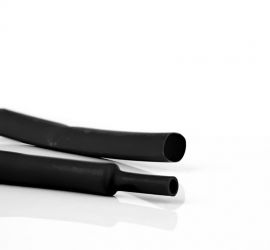
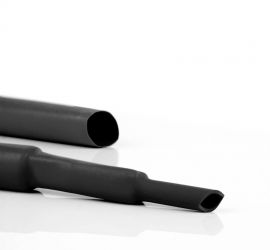
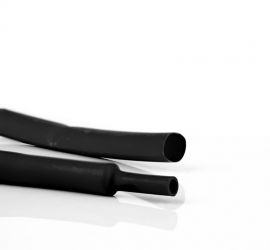
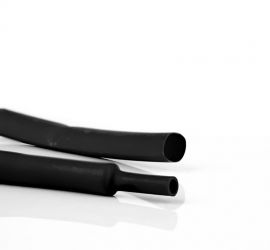
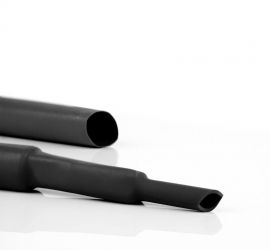
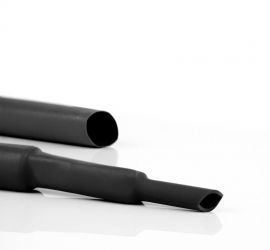
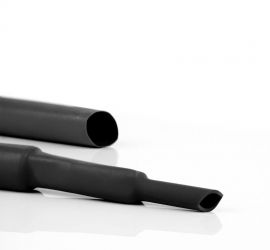
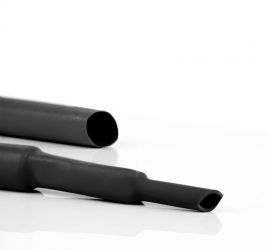
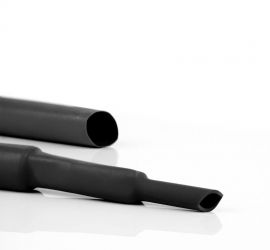
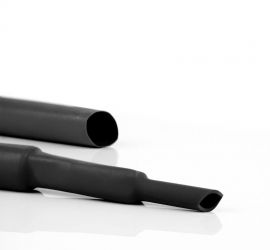
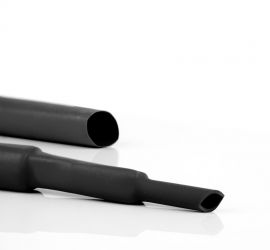
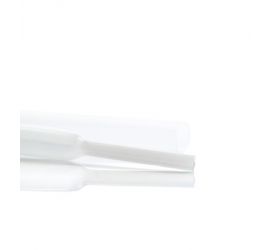
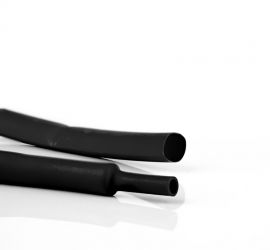
Thin-wall heat shrink tubing is the most commonly used type of heat shrink tubing, compared to medium-wall and thick-wall variants.
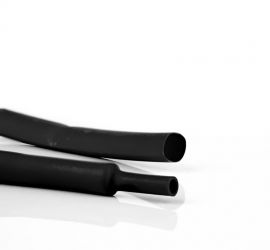
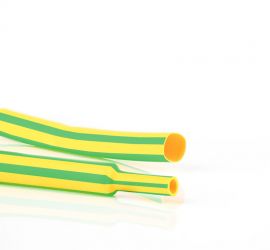
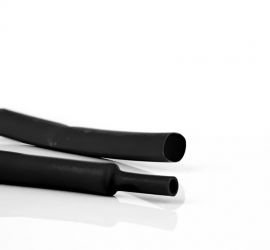
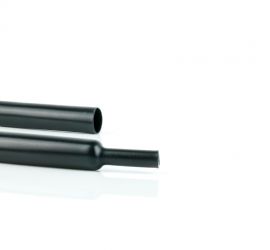
Properties of thin-wall heat shrink tubing
Thin-wall heat shrink tubing has specific, unique properties compared to medium- and thick-wall tubing. The most important differences are wall thickness and flexibility.
Wall thickness
Thin-wall heat shrink tubing has a post-shrink wall thickness of 0.4 to 0.8 millimeters. This makes it thinner than medium-wall or thick-wall heat shrink tubing.
Shrink ratio
Depending on the type, our thin-wall heat shrink tubing is available in the following shrink ratios:
The shrink ratio indicates how much the tubing shrinks in diameter after heating, compared to its original diameter. For example, tubing with a diameter of 8 millimeters and a shrink ratio of 2:1 will shrink to a diameter of 4 millimeters after heating.
Flexibility
Thin-wall heat shrink tubing is more flexible than medium- and thick-wall variants, which makes it particularly suitable for use in office environments. Its flexibility also contributes to cable protection, allowing the cable to move slightly under pressure. However, due to its thinner wall, thin-wall tubing offers less resistance to damage from friction and other environmental factors.
Uses of thin-wall heat shrink tubing
Thin-wall heat shrink tubing is used for a wide range of applications, such as protecting cables. Its insulating properties make it ideal for protecting damaged cables or soldered connections. It is also commonly used for cable marking.
Our range includes 21 types of thin-wall heat shrink tubing. Looking for advice on the best type of tubing for your application? Feel free to contact us.