
EMC-version
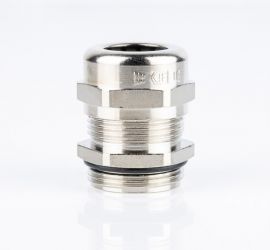
An EMC cable gland is a special type of cable gland designed to control and prevent electromagnetic interference (EMI). These glands provide reliable shielding for cables passing through metal enclosures or control cabinets, minimizing disruptions in electronic systems. They are essential in environments where electromagnetic compatibility (EMC) is crucial, such as in industrial automation, medical equipment, and communication systems.
Operation
EMC cable glands function by providing an electrically conductive path between the shielded cable and the metal enclosure. This effectively diverts electromagnetic radiation, reducing the risk of interference with other electronic components.
Applications
EMC cable glands are used in various sectors where electromagnetic compatibility is essential. They are frequently used in industrial automation systems, medical equipment, communication networks, measurement and control technology, and the aerospace industry. In all these applications, it is important that the cables passing through metal enclosures are properly shielded to prevent interference.
Types and variants
In our range, you will find EMC cable glands with metric threads, suitable for a variety of cable diameters. They are galvanically nickel-plated and meet the stringent requirements of UL certification.
Materials and construction
Our EMC cable glands are made from high-quality materials, ensuring a long lifespan and excellent performance. Brass EMC cable glands have a galvanically nickel-plated finish, providing good corrosion resistance and a reliable electrical connection. Stainless steel EMC cable glands offer additional protection in environments with high demands for corrosion resistance and mechanical stress. The construction of the glands is designed for easy installation, providing a secure and stable connection.
Installation and assembly
When installing EMC cable glands, it is important to ensure that the cable's shielding makes proper contact with the metal enclosure. This can be achieved by tightening the gland securely so that the integrated spring or lamella contact effectively presses the shielding against the enclosure. Additionally, it is important to select the correct size and type of EMC cable gland to match the cable and enclosure, ensuring optimal shielding and protection against electromagnetic interference.