
Duct tapes
Duct tape is a strong tape with a textile backing and a protective coating, designed for a wide range of fastening and repair applications. Thanks to the combination of a robust carrier and a powerful adhesive layer, duct tape is widely used whenever a solution needs to be quick, strong, and practical—both in household situations and in professional environments.
What is duct tape
Duct tape typically consists of three layers. The base is a textile backing with a woven fabric structure, which provides tensile strength and dimensional stability. On top of this is a polyethylene coating that makes the tape more resistant to moisture and light contamination. On the underside, there is a rubber-based adhesive layer that ensures fast adhesion to various surfaces.
In practice, duct tape is used as an all-purpose tape for tasks where you want to fasten, seal, or repair something quickly, without the need for a specialized tape.
Properties and practical benefits
Duct tape is known for its strong adhesive strength and a backing that is sturdy yet remains flexible. The textile backing makes the tape relatively tear-resistant, while the coating is water-repellent in the case of splashes or damp conditions. In many work situations, the tape also remains usable when lightly exposed to dirt, oil, or changing weather conditions.
Practical properties that often make the difference in use:
- Strong and tear-resistant thanks to the textile backing
- Water-repellent due to the coating
- In many situations resistant to oil and weather with light exposure
- Hand-tearable, convenient for installation and emergency work
- Generally adheres well to rough and slightly uneven surfaces
Actual adhesion depends on factors such as dust, grease, and moisture on the surface, ambient temperature, and the tension applied to the tape. For reliable results, it helps to clean and dry the surface and press the tape down firmly.
Colors and dimensions
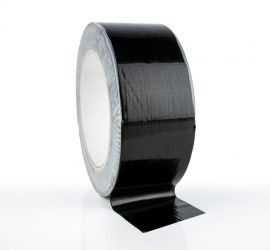
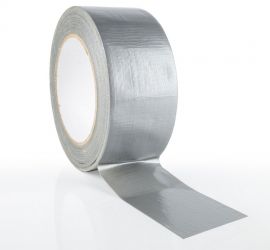
In our range, duct tape is available in two colors: black and silver. Duct tape is most commonly sold in silver, but in sectors such as theater, black duct tape is widely used because it is less noticeable on stage.
Both our black and silver duct tape rolls have a length of 25 meters. The tapes are 50 millimeters wide and 0.25 millimeters thick. The duct tapes are resistant to temperatures up to 65 °C.
Applications
Duct tape is used in many sectors. It is often applied for temporary uses, emergency repairs, or as support during installation and maintenance. In construction, industry, and electrical work, duct tape is commonly used to secure cables, protect surfaces during work, or temporarily repair damage.
Common applications include:
- Emergency repairs and temporary fixes
- Bundling cables, pipes, or materials
- Sealing seams or openings where a quick closure is required
- Packaging where extra tear resistance or grip is desired
- Creative use, for example in set construction or temporary structures
Duct tape can adhere well to various surfaces such as metal, plastic, and textiles, provided the surface is properly prepared.
Different quality levels and the difference from gaffer tape
Duct tape is available in different quality grades. Budget versions are often intended for simple, short-term applications. Mid-range duct tape is more commonly chosen for everyday professional use, where consistency is important. In the higher-end segment, you will also find gaffer tape, which is especially well known in events and theater.
The difference between duct tape and gaffer tape usually lies in the intended use. Duct tape is an all-purpose tape focused on strong adhesion and robust performance. Gaffer tape is more often used for temporary fastening where cleaner removal is desired and where the finish should be less noticeable.
Comparison with other tapes
Duct tape is often compared with packaging tape and construction tape. Packaging tape is designed for sealing boxes and adheres well to cardboard, but is generally less suitable for rough surfaces or repairs. Construction tape is often developed for specific tasks on construction sites, such as masking or temporary sealing, and its properties can vary widely by type.
Duct tape sits between these options as a practical all-round solution when fast adhesion and mechanical strength are needed in changing conditions.
Removing adhesive residue
When removed, duct tape can leave adhesive residue, especially after prolonged use, exposure to heat, or on porous surfaces. Slowly peeling the tape off at a low angle usually helps. Residue can often be rubbed off dry with a soft cloth first; if needed, a mild cleaning agent can help.
Additional methods that often work in practice:
- Applying gentle heat to soften the adhesive
- Using a solvent or oil-based product for stubborn residue
- Always testing first on an inconspicuous area to avoid damage or discoloration
Sectors and target groups
Duct tape is used in households, in construction and installation work, in industrial environments, and at events. It is also common in creative applications, such as set building, temporary fastening, or marking. Precisely because it is a general-purpose tape, duct tape is often a standard item in toolboxes and service vehicles.
Duct tape is a versatile tape with a strong textile backing and a powerful adhesive layer, suitable for repairing, bundling, marking, and sealing. By choosing based on quality, color, and size, you can match the tape to your application and surface. If you want to compare more specifically or tailor specifications to recurring tasks, it makes sense to define the intended use per situation in advance and seek advice where necessary.