
Heat shrinkable fibre optic splice protectors
Looking for heat shrinkable fibre optic splice protectors? Designed to connect and protect splices, and available in 10 variants.
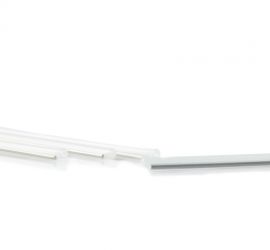
Properties of heat shrinkable fibre optic splice protectors
Heat shrinkable fibre optic splice protectors are made of crosslinked polyolefin and include a pre-installed stainless steel rod. They have a shrink ratio of 2:1 and are transparent. They are not self-extinguishing or printable.
Heat shrinkable fibre optic splice protectors can be used in temperatures ranging from -45 °C to +100 °C. The minimum full recovery temperature of heat shrinkable fibre optic splice protectors is 120 °C. They are halogen-free, but not UV resistant.
When heated, heat shrinkable fibre optic splice protectors may also shrink in length, by up to 10%.
Available variants
Heat shrinkable fibre optic splice protectors are available in 10 variants/sizes. The differences lie in the length of the splice protector, the diameter of the tubing, and the length of the steel guide rod inside the protector.
Applications of heat shrinkable fibre optic splice protectors
Fibre optic splice protectors are used to protect and reinforce fused fibre optic connections. These protectors ensure that the fragile splice remains safe, insulated, and mechanically strong, while maintaining optimal optical performance. They are commonly used in:
- Telecommunications networks (fiber-to-the-home (FTTH), fiber-to-the-premises (FTTP), and long-haul networks)
- Data centers (for structured cabling and fibre optic backbone connections)
- Industrial automation (fibre optic control systems)
- Military and aerospace (for robust fibre optic connections)
- Medical equipment (fibre optic applications in imaging and laser technology)
How to use heat shrinkable fibre optic splice protectors
You can use fibre optic splice protectors in four steps:
1. Preparation:
- Strip and clean the ends of the fibre optic cable
- Fuse/splice the two optical fibres together using a fusion splicer
2. Positioning the splice protector:
- Slide the fibre optic splice protector over the splice before heating
- Ensure that the guide rod inside the protector is properly aligned with the splice point to provide mechanical reinforcement
3. Shrinking process:
- Use a precision heat gun to apply controlled heat
- The heat causes the outer tubing to shrink around the splice, while the inner adhesive layer melts and bonds, securing the fibre
- The guide rod stabilizes and prevents bending or breaking
4. Cooling and inspection:
- Allow the fibre optic splice protector to cool and set
- Check for proper adhesion, alignment, and transparency to ensure there are no air bubbles or fibre misalignment
Personal advice
Need advice on choosing the right heat shrinkable fibre optic splice protectors, or another type of heat shrink tubing? Contact one of our advisors directly. They’ll be happy to help!