



What certification does your heat shrink tubing need?
Posted on 1 July 2026
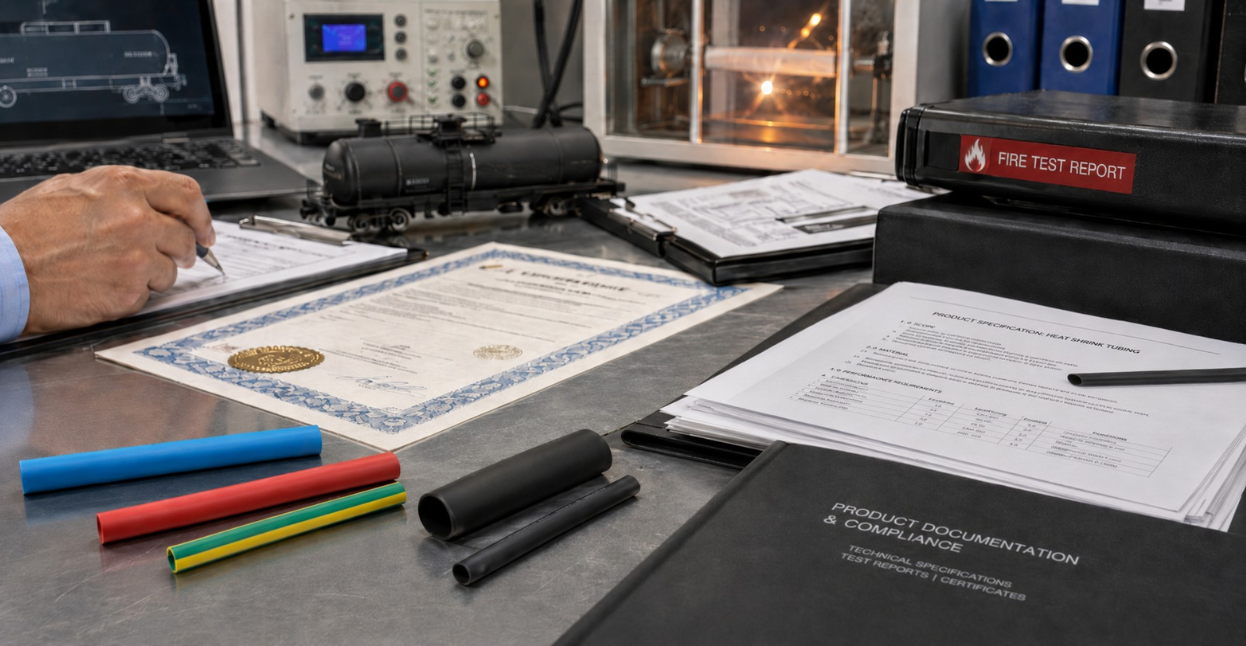
Your customer reports that the delivered product does not meet the required standard for a project. The order has already been placed. The material is on the shelf. This is a situation that occurs more often than you might expect in practice. And which was almost always preventable.
Heat shrink tubing is more likely to cause a compliance problem than many other products. Requirements vary greatly by sector, application and destination. A product that is perfectly suitable for an industrial installation in the Netherlands does not automatically meet the requirements for export to the US, for use in a train or for application in a solar energy park.
Certifications come too late
Buyers compare suppliers on price, delivery time and availability. That makes sense. But certifications are often not discussed or not included in the process; until a customer asks about it or a tender makes them mandatory. At that point, the margin is gone and the delivery time has already passed.
In European project tenders, a lack of certification is a hard ground for exclusion. You can't compensate with a lower rate or faster delivery. The product either complies or it does not.
Which standards are relevant?
That depends on the application. For companies exporting equipment to the US or Canada, UL224 and CSA are the most in-demand certifications. They determine whether a product is allowed on the North American market. RoHS regulates the restriction of hazardous substances and applies to virtually all electrical and electronic applications in Europe.
For the railway sector, EN 45545-2, the European standard for the reaction to fire of materials in railway vehicles, applies. This standard is increasingly being made mandatory, even in tenders where this was not previously the case. The standard works with hazard levels (HL1, HL2 and HL3) and application categories. HL1 applies to vehicles in open, low-risk environments. HL2 is the standard for most rail applications, including tunnels up to five kilometers. HL3 is mandatory for the toughest conditions: sleeping cars and underground tunnels of more than five kilometres.
In addition, customers regularly ask for standards for specific applications: IP67 or IP68 for water resistance, ISO 4892 for UV resistance when used in the solar market, or ASTM D2671 for the US markets and for specific industry standards around medical use, drinking water and food contact.
Asking the right questions before you order
Compliance starts with the right questions: not after the order, but before. What is the scope of the final product? Is it going to the US or Canada? Are there sector-specific standards, such as for railways or energy infrastructure? Are there any requirements for halogen freedom or flame retardancy? Is the project subject to a European tender?
The answers to those questions determine which certifications you need and therefore which product you should order. A supplier that recognizes these questions and responds proactively to them prevents compliance from becoming a problem after the fact.
How WKK tackles this
WKK supplies heat shrink tubing with UL224 and CSA approval for the most popular types (with the exception of transparent type). The entire range is RoHS compliant. For specific applications, product-level verification is always possible.
For the railway sector, our HIT series (halogen-free polyolefin heat shrink tubing, available in several versions) has a classification report from Currenta, a fire test laboratory accredited by the DAkkS. The HIT series complies with R22 (indoor applications) and R23 (outdoor applications) at all three hazard levels: HL1, HL2 and HL3. That is the highest achievable within the standard. These certified types are expected to be in stock from October. Would you like to know more or request documentation? That is already possible.
WKK actively keeps track of which certifications are relevant for the sectors and markets in which customers operate. When new standards or applications come into play, we map them out. This way you as a buyer know where you stand.
Compliance is a starting point, not a final check
Compliance is not an administrative burden. It is a selection criterion that belongs at the beginning of the procurement process. With the right questions and the right supplier, you can prevent it from becoming a problem afterwards. Not sure which product fits the standard that applies to your application? WKK's advisors are happy to think along with you. That is where our added value lies.
Do you have questions about certifications for a specific application, or do you want to request documentation?
Also have a look at
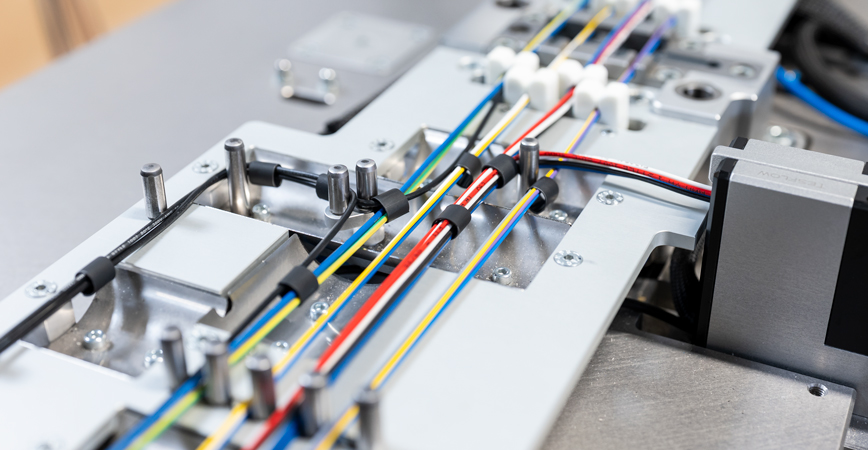
From Individual Components to Complete Cable Solutions: How AVT Ensures Relia...
How AVT and WKK work together to deliver reliable machine wiring solutions
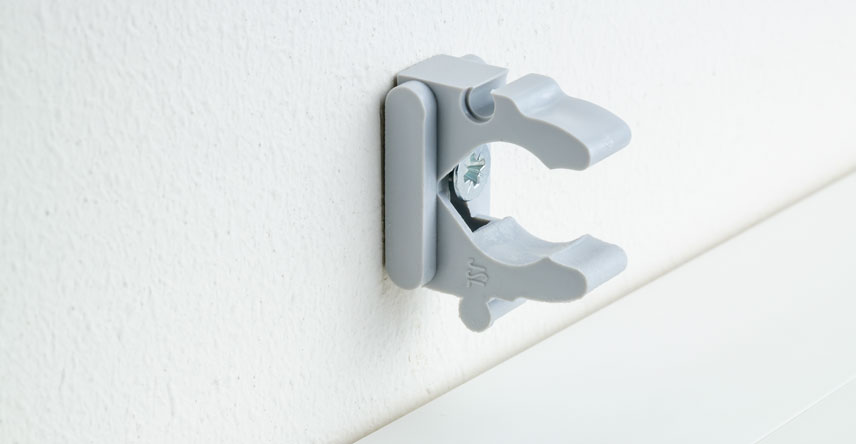
Everything about bracket holders and types of brackets
In our assortment, you will find a broad range of bracket and clips, such as pipe clips and cable clamps. Read more about the differences between t...